
Correction Line Needle Rollers: The Key to High-Performance Bearing Systems.
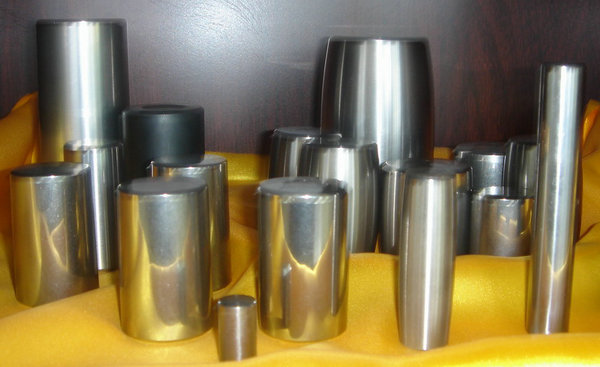
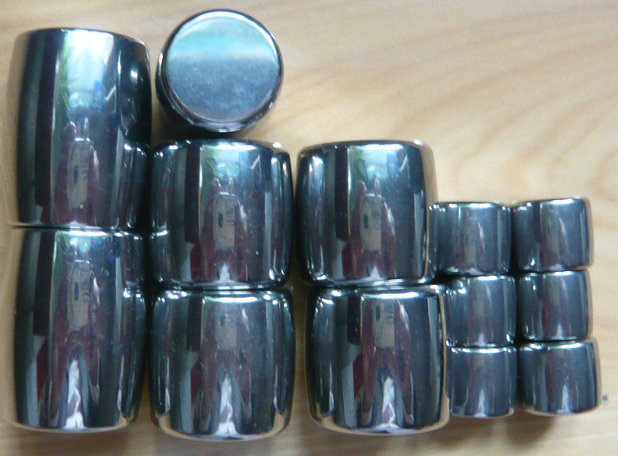
In the world of precision engineering, the difference between a reliable mechanical system and a premature failure often comes down to microscopic details. One such detail that has revolutionized the performance of rolling bearings is the correction line needle roller – also known as the crowned or logarithmic profile needle roller.
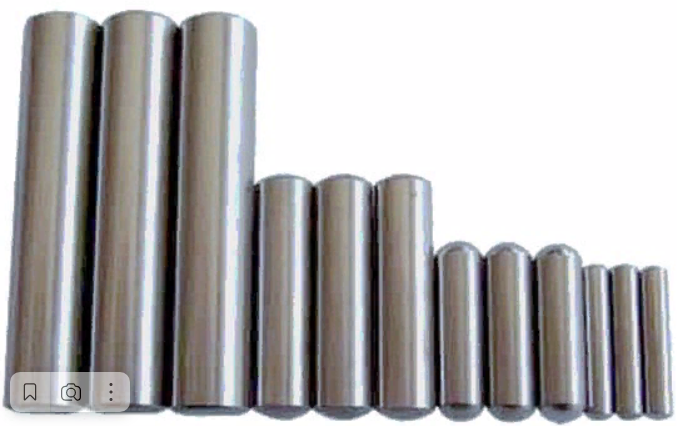
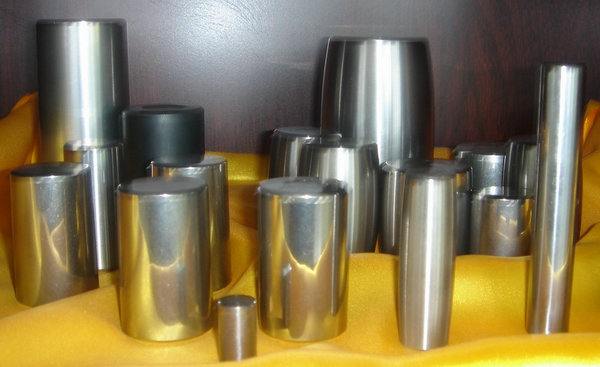
Correction line needle rollers are cylindrical rolling elements whose outer generatrix has been precisely modified. Unlike standard straight-profile rollers, these rollers feature a carefully calculated micro-profile – typically a logarithmic curve or a crowned geometry – that fundamentally changes how they interact with bearing raceways.
Logarithmic Profile Equation for rolling elements
The primary purpose of this modification is to eliminate or significantly reduce edge stress concentration, a phenomenon commonly referred to as the "edge effect." Under load, straight rollers tend to develop extremely high stress at their ends, which can lead to premature fatigue, spalling, and ultimately bearing failure. Correction line technology redistributes the contact stress more evenly across the entire roller length.
The adoption of correction line needle rollers brings measurable and substantial benefits to bearing systems: Enhanced Load Capacity: By optimizing stress distribution, these rollers allow bearings to handle significantly higher radial loads without compromising service life.
Extended Service Life: The elimination of stress concentration points reduces the risk of edge fatigue, often doubling or even tripling the operational lifespan of the bearing. Improved Reliability: Bearings with correction line rollers exhibit more predictable performance under variable operating conditions, including shock loads and misalignment.
Noise and Vibration Reduction: The smooth stress transition reduces micro-slip and vibration, making these rollers ideal for noise-sensitive applications such as electric vehicle drivetrains. Adaptability to Misalignment: The crowned profile provides a degree of tolerance to shaft deflection and housing misalignment, which is common in real-world installations.
- home
- products
- contact
- equipments
- drive pins
- cylindrical rollers
- needle rollers
- sizes or stocks
- Logarithmic Profile
- Si3N4 ceramic rollers
- tapered rollers
- steel balls
- CNC parts
- terahertz dowel pins
- waveguide components
- NRA spherical ends
- NRB flat ends
- special ends
- medical device cavities
- PdAgCu wafer probes
- PtIr tips rings