
Needle Rollers, Waveguides, Cylindrical Rollers, and the TRIPS Agreement: A Manufacturer's Guide to Intellectual Property in Global Trade.
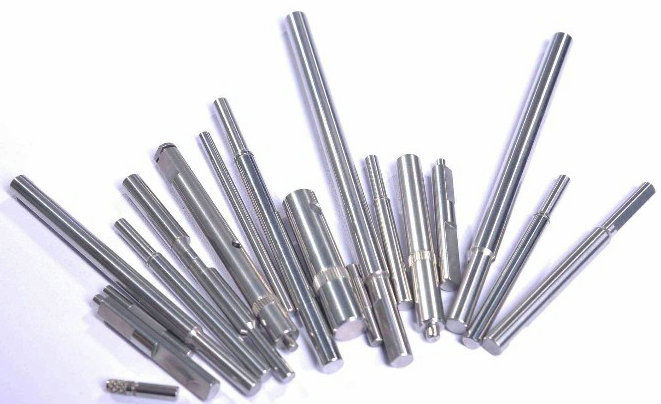
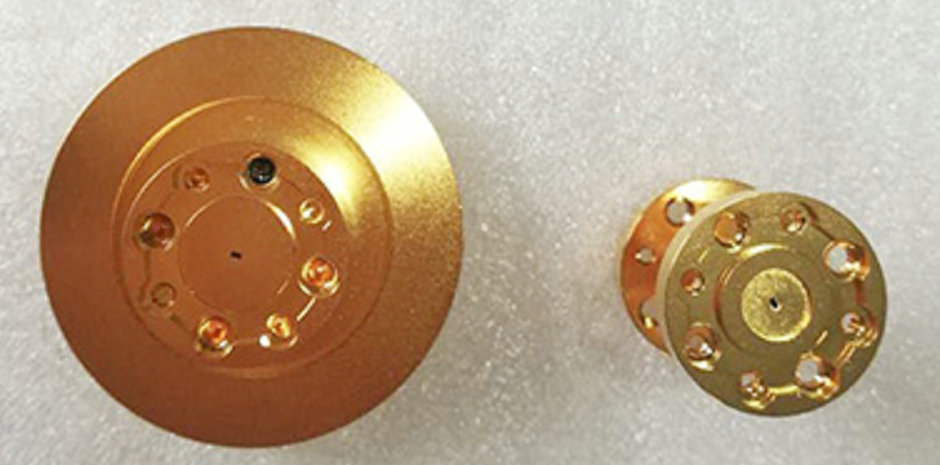
For manufacturers of precision components like needle rollers and cylindrical rollers, the TRIPS Agreement (Agreement on Trade-Related Aspects of Intellectual Property Rights) is not merely a legal abstraction—it is a framework that directly shapes how we protect our innovations, compete in global markets, and collaborate with international clients.
Enacted in 1995 under the World Trade Organization (WTO), the TRIPS Agreement established minimum global standards for intellectual property protection across eight key areas: copyright, trademarks, geographical indications, industrial designs, patents, integrated circuit layouts, undisclosed information, and anti-competitive practice controls. For manufacturers of mechanical components, the most relevant provisions are those covering patents, industrial designs, and protection of undisclosed information (trade secrets).
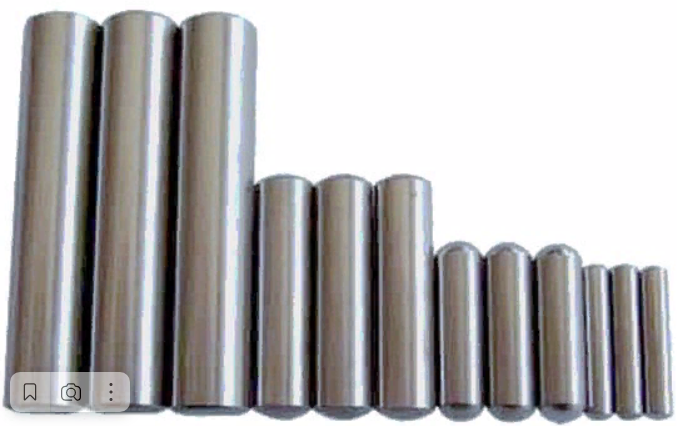
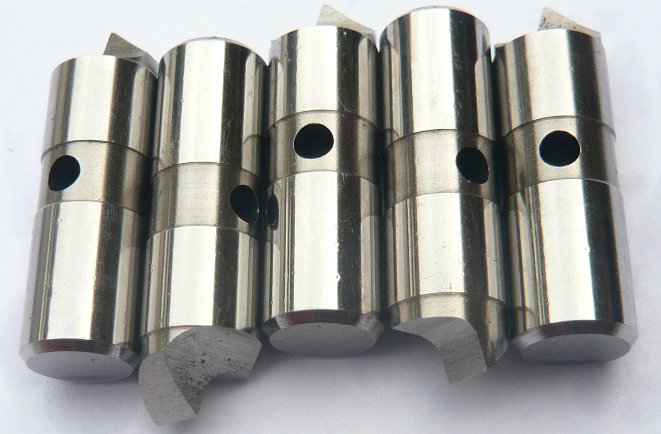
The TRIPS Agreement mandates that patents must be available for "any inventions, whether products or processes, in all fields of technology, provided they are new, involve an inventive step and are capable of industrial application" (Article 27:1). This protection extends for a minimum of twenty years from the filing date.
For our industry, this provision is highly relevant. Consider the evolution of tripod-type homokinetic universal joints—a technology widely used in automotive drivetrains. Early designs using spherical rollers in cylindrical track grooves suffered from slippage, heat generation, and axial thrust due to geometric incompatibility. The invention that solved this problem—using cylindrical rollers on flat roller guide surfaces with an intermediate ring that allows articulation—represents a patentable innovation. The patented solution ensures line-to-line contact between cylindrical rollers and guide surfaces, eliminating the interference that previously prevented proper joint function.
While functional aspects of needle rollers and cylindrical rollers are typically protected by patents, the TRIPS Agreement also protects industrial designs—the aesthetic or ornamental aspects of a product. Under Article 25, WTO members must provide protection for independently created industrial designs that are new or original.
For roller manufacturers, industrial design protection might apply to:Distinctive surface texturing patterns Unique end configurations (flat, round, or spherical ends), Visual branding elements integrated into product design, The TRIPS Agreement grants rights holders protection against unauthorized copying or imitation for a minimum term of ten years.
The TRIPS Agreement provides enforcement mechanisms that allow rights holders to take action against infringement in WTO member countries. This includes: Civil procedures for injunctions and damages, Border measures to prevent counterfeit or infringing goods from crossing borders, Criminal procedures for willful counterfeiting. For manufacturers exporting needle rollers and cylindrical rollers, understanding these enforcement provisions is crucial. If a competitor in an export market copies a patented roller design or misappropriates proprietary manufacturing processes, TRIPS provides a legal framework for recourse.
Patent Strategy: Consider patenting novel roller configurations (such as cylindrical roller tripod designs) where the geometry provides functional advantages. With twenty-year protection, this creates a significant competitive moat. Trade Secret Protection: For process innovations that cannot be reverse-engineered—such as heat treatment cycles or proprietary alloy formulations—maintain strict confidentiality through NDAs and restricted access protocols. TRIPS requires that reasonable steps be taken to maintain secrecy.
Documentation: Maintain detailed records of research and development activities, including date-stamped drawings, test results, and process parameters. This documentation can be critical in establishing invention dates for patent applications or demonstrating that trade secrets were properly protected.
For a manufacturer of precision needle rollers and cylindrical rollers, understanding and leveraging the TRIPS framework is not just about legal compliance—it is a strategic imperative for competing effectively in the global marketplace. Whether protecting a novel cylindrical roller tripod joint design or safeguarding proprietary manufacturing processes, TRIPS provides the rules of the road for intellectual property in international trade.